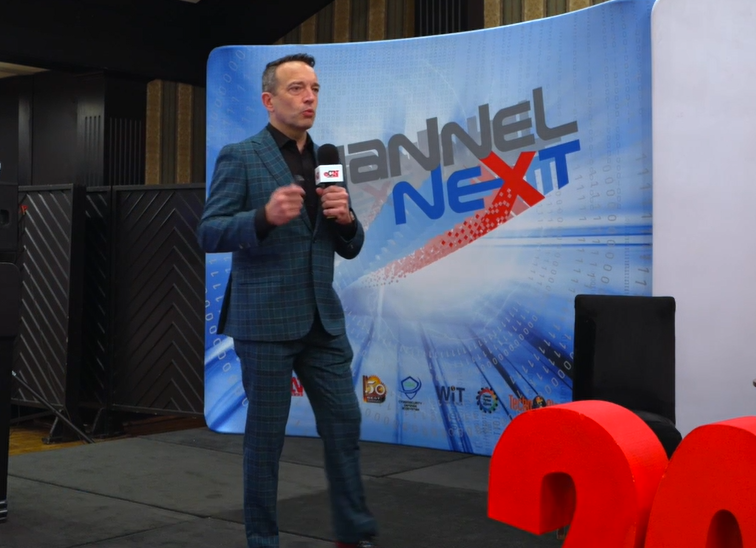
How to Train an AI Assistant to Write Well and Still Sound Like You
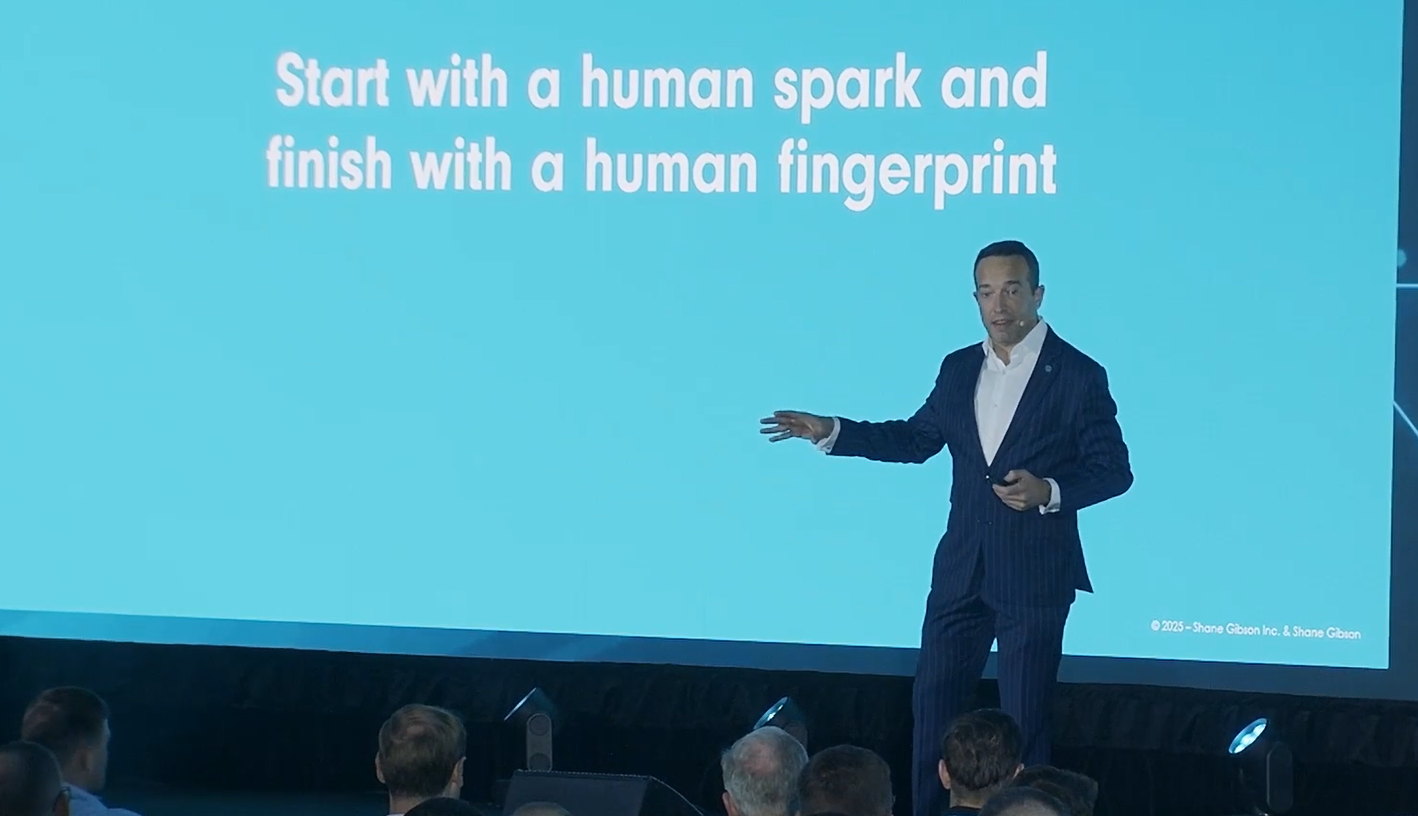
This is an excerpt from Shane Gibson’s AI Keynote address in Sydney Australia
There’s a shift happening right now with AI and content creation, and it’s subtle but important.
On the surface, everything looks like it’s improving. The writing is sharper. It’s faster to produce. In many cases, it’s clean, structured, and technically strong. But when you read enough of it, you start to notice something else. A lot of it feels interchangeable. It sounds right, but it doesn’t feel like it came from anyone in particular.
That’s the part most people are missing.
Because the issue isn’t that AI can’t write well. The issue is that most people are asking it to write without giving it anything real to work with.
I ran into this myself.
When I first started experimenting with these tools, I did what most people do. I opened up ChatGPT, typed in a topic, and let it generate something. The output was solid. In fact, it was often better than what I might have written quickly on my own.
But it wasn’t mine.
It didn’t reflect how I think, how I speak, or how I approach problems with clients. And over time, that becomes a problem, especially if you’re trying to build credibility or a distinct voice in your market.
That’s when I realized the starting point needed to change.
AI Is Not the Starting Point
The biggest misconception I see is that AI begins with a prompt.
It doesn’t.
It begins with your experience. Your perspective. The frameworks you’ve built over time. The conversations you’ve had in the field. The way you think through problems when something isn’t obvious.
That’s the real asset.
When that’s missing, the output might look good, but it won’t carry any weight. It ends up sounding like a collection of borrowed ideas rather than something grounded in real-world experience.
I see this play out all the time. Someone asks AI to write a post about a topic, and what comes back is logical and well-structured. But it’s built from aggregated information, not lived experience. And because of that, it feels generic, even if you can’t quite explain why.
The Shift That Makes AI Useful
What changed for me was simple, but it made a big difference.
I stopped asking AI to create, and I started using it to refine.
Now, when I have an idea, I don’t begin by typing a prompt. I start by talking it out. I’ll grab my phone and just speak through what I’m thinking, the way I would explain it to a client or an audience. It’s not polished. It’s not linear. It’s just how the idea shows up in my head.
That becomes the input.
From there, I feed that into a custom AI assistant I’ve built around my own content. It includes books, blog posts, transcripts from talks, and the way I think about business and relationships. It’s not perfect, but it gives the system context.
So when it helps shape that idea into something usable, it’s not starting from zero. It’s building on something that already reflects how I think.
And even then, I don’t just publish it.
I go back through it, tighten it up, adjust the tone, and make sure it actually sounds like something I would say. That final pass is where the voice gets protected.
Because nothing should go out without a human fingerprint on it.
What Happens When You Skip This Step
There’s another side to this that’s worth paying attention to.
AI is incredibly effective at scaling. It can take something and multiply it quickly. But it doesn’t evaluate whether that something is actually strong to begin with.
I learned that firsthand.
I experimented with an outbound tool that automated prospecting. I uploaded an ideal client profile, let it generate a list, and turned it loose. On paper, it looked efficient. It felt like I had just created leverage overnight.
The reality was different.
Within hours, I had unsubscribes, complaints, and responses that clearly missed the mark. The messaging wasn’t aligned, and it didn’t reflect how I actually communicate.
The issue wasn’t the tool. It was that I hadn’t grounded it in anything real before scaling it.
I turned the volume up before I had clarity.
And AI will do that faster than anything we’ve used before.
What Strong AI Systems Have in Common
When AI is working well, it’s usually because there’s something solid behind it.
It’s not just a clever prompt. It’s a body of work. It’s experience, conversations, frameworks, and patterns that have been developed over time. There’s a clear sense of how that person or organization thinks, what they believe, and how they approach problems.
That’s what gives the output consistency and depth.
Without that, you’re asking AI to fill in the gaps. And what it produces might sound right, but it won’t stand out or connect in a meaningful way.
The One Rule That Keeps This Grounded
If there’s one principle that ties all of this together, it’s this.
Start with a human spark and finish with a human fingerprint.
The spark is your thinking. Your raw ideas, your perspective, your experience. That’s the part that gives the content its edge.
The fingerprint is what happens at the end. You review, adjust, and make sure what’s being shared actually reflects how you think and communicate.
AI sits in the middle.
Used that way, it becomes a powerful extension of how you work. Used the other way, it becomes a shortcut to average.
What This Looks Like Day to Day
In practical terms, this doesn’t need to be complicated.
It starts with capturing your thinking before you try to scale it. That might be a voice note, a rough draft, or even notes from a conversation. Give the system something real to work with.
From there, begin feeding in your past content and frameworks so it has context. Over time, the output improves because the foundation improves.
Then it becomes a cycle. You test, refine, adjust, and repeat. You pay attention to what feels aligned and what doesn’t. And gradually, the system becomes a better reflection of how you think.
It’s not about building the perfect setup from day one. It’s about building something that evolves with you.
Key Takeaways You Can Apply Right Away
If you want to train an AI assistant that actually sounds like you and not everyone else, here are a few practical places to start.
- Capture your thinking before you use AI
Speak your ideas out or write them roughly. Don’t start with a blank prompt. - Build your assistant using your real content
Feed it blog posts, emails, presentations, and transcripts that reflect how you think. - Be clear on your voice and point of view
Know what you believe and how you approach your work before trying to scale it. - Start small and refine as you go
Test outputs, adjust them, and improve before expanding. - Always review before publishing
Make sure what goes out actually sounds like you and represents how you think.
The tools are going to keep getting better. That’s not the question.
The real difference will come from how clearly you think and how intentionally you bring that thinking into the systems you build.
Use AI to strengthen your voice, not replace it.